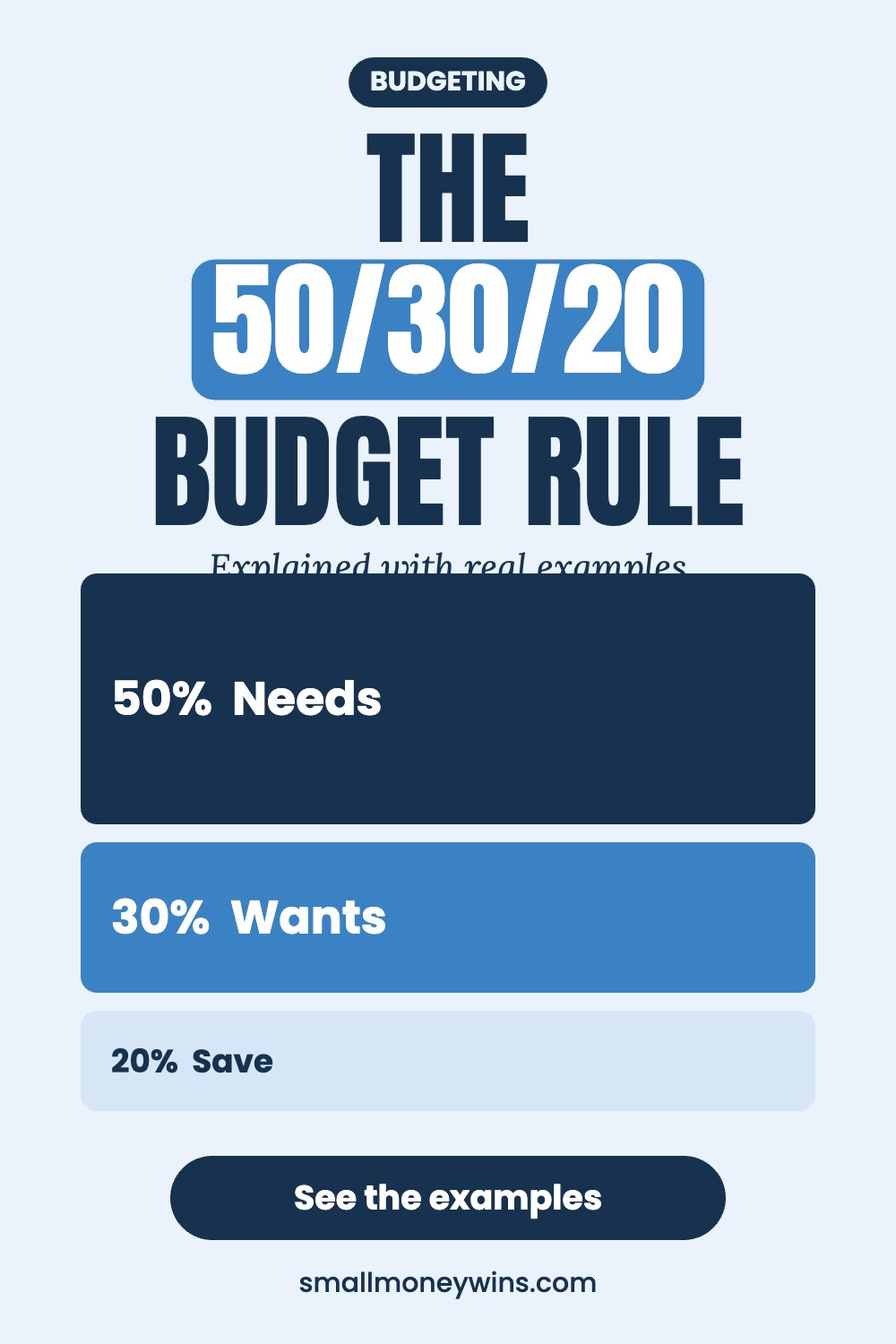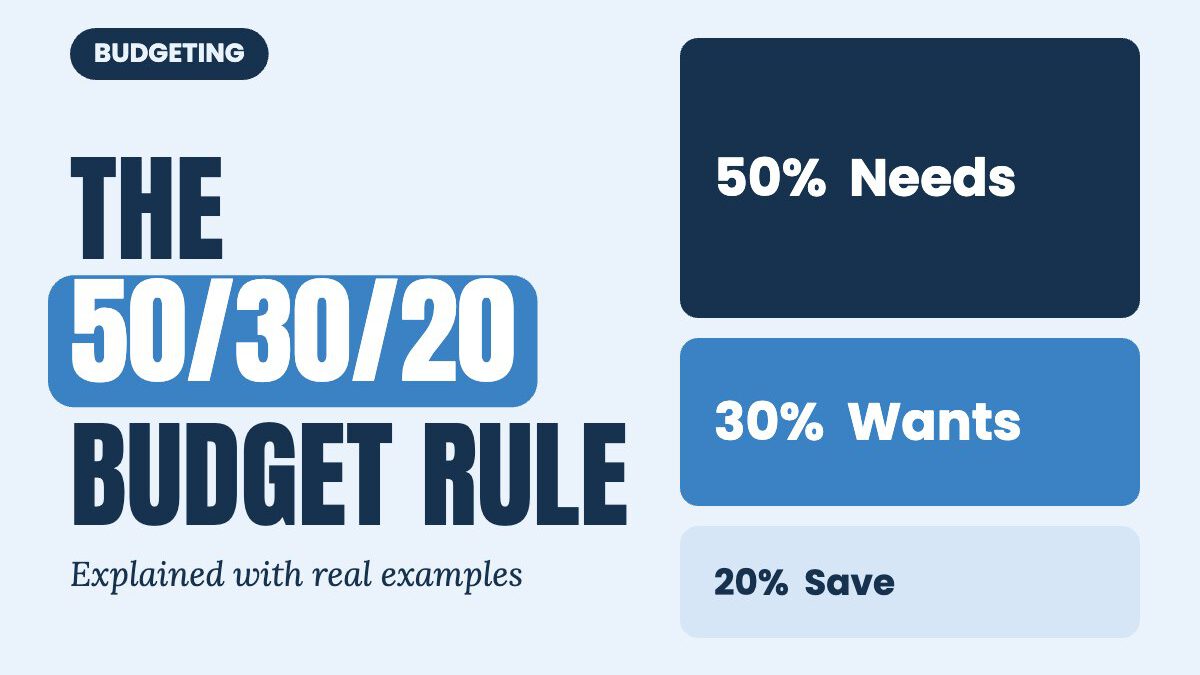
Quick answer: The 50/30/20 rule splits your after-tax income into three buckets: 50% for needs, 30% for wants, and 20% for savings and extra debt payments. On $4,000 a month take-home pay, that’s $2,000 for needs, $1,200 for wants and $800 for savings and debt.
If detailed budgets feel overwhelming, the 50/30/20 rule is one of the simplest ways to start. Instead of tracking dozens of categories, you only watch three. It was popularized by Senator Elizabeth Warren and her daughter Amelia Warren Tyagi in their book All Your Worth, and it’s still a favorite starting point for beginners.
How the 50/30/20 rule works
50% for needs
Needs are expenses you must pay to live and work: rent or mortgage, utilities, groceries, basic transportation, insurance, minimum debt payments and childcare.
30% for wants
Wants make life more enjoyable but aren’t essential: eating out, streaming services, hobbies, travel, upgraded phones, new clothes beyond the basics.
20% for savings and debt
This bucket builds your future: emergency fund, retirement contributions, sinking funds, and any debt payments above the minimums.
Important: Use your take-home pay, the amount that lands in your bank account after taxes and deductions, not your gross salary.
Real examples at different incomes
| Monthly take-home | Needs (50%) | Wants (30%) | Savings & debt (20%) |
|---|---|---|---|
| $2,500 | $1,250 | $750 | $500 |
| $3,200 | $1,600 | $960 | $640 |
| $4,000 | $2,000 | $1,200 | $800 |
| $5,500 | $2,750 | $1,650 | $1,100 |
How to set up your 50/30/20 budget
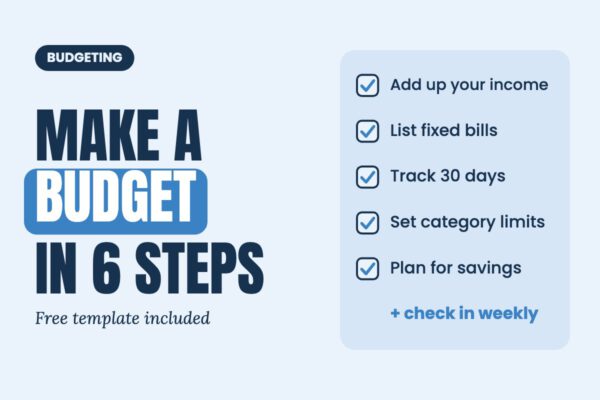
- Find your monthly take-home pay. If you’re paid biweekly, multiply one paycheck by 26 and divide by 12.
- Multiply by 0.5, 0.3 and 0.2 to get your three targets.
- Sort last month’s spending into needs, wants and savings.
- Compare and adjust. If needs are over 50%, see where wants can shrink for now.
- Automate the 20%. Schedule the savings transfer for payday so it happens first.
What if your needs are more than 50%?
This is very common, especially with high rent or on a lower income. A few options:
- Adjust the ratio. A 60/20/20 or 70/20/10 split is a perfectly fine starting point. The goal is a plan, not perfection.
- Lower a big fixed cost. Shop your insurance, refinance high-interest debt, or look at a cheaper phone plan.
- Grow your income. A raise, extra shifts or a side hustle can bring the percentages back into balance.
Needs vs. wants: tricky examples
- Groceries: basic food is a need; premium snacks and convenience foods lean toward wants.
- Phone: a basic plan is a need; the newest phone on a payment plan is mostly a want.
- Car: reliable transportation is a need; a more expensive car than you need is partly a want.
- Gym membership: usually a want, unless it’s your main way to stay active and you use it regularly. Your call.
Pros and cons of the 50/30/20 rule
Pros: simple, flexible, builds in guilt-free spending and makes saving a priority.
Cons: it can be hard to follow on a low income or in an expensive city, and three broad buckets don’t show exactly where overspending happens.
FAQ
Do minimum debt payments count as needs?
Yes. Minimum payments go in needs. Anything extra you pay toward debt goes in the 20% bucket.
Does retirement taken from my paycheck count toward the 20%?
Many people count it, since it’s money saved for the future. If you do, add it back to your take-home number when you calculate the percentages so the math stays consistent.
Is 50/30/20 better than zero-based budgeting?
Neither is better for everyone. 50/30/20 is easier to start; zero-based budgeting gives more control. Many people begin with 50/30/20 and switch later.
This article is for general educational purposes and is not personalized financial advice.
Save this for later
Pin this guide so you can find it again when you need it.